
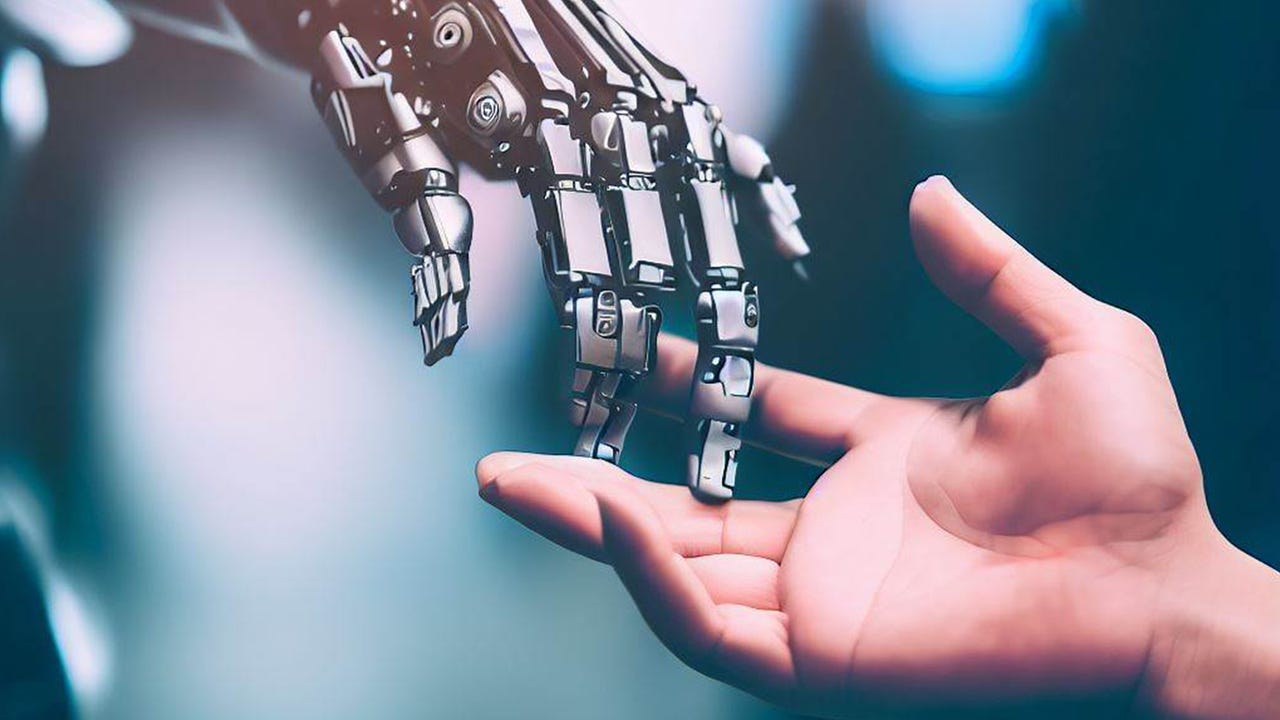
In the ever-evolving landscape of technology, one term that has become ubiquitous is “Artificial Intelligence” or AI. This groundbreaking field has transformed the way //thehawaiireporter.com/ we perceive and interact with machines, making it a pivotal player in various industries. In this 1500-word exploration, we delve into the nuances of artificial intelligence, its applications, and the impact it has on our daily lives.
Table of Contents
Understanding Artificial Intelligence
Artificial Intelligence, often abbreviated as AI, refers to the simulation of human intelligence in machines programmed to think and learn like humans. The core objective is to create systems that can perform tasks that typically require human intelligence, such as visual perception, speech recognition, decision-making, and language translation.
The Two Facets of AI: Narrow and General
AI can be categorized into two main types: Narrow AI and General AI. Narrow AI, also known as Weak AI, is designed and trained for a particular task, like voice recognition or facial analysis. On the other hand, General AI, or Strong AI, possesses the ability to understand, learn, and apply knowledge across diverse domains.
Applications of Artificial Intelligence
The influence of AI is omnipresent, seeping into various industries and aspects of our lives. Here are some key applications:
1. Healthcare
AI plays a crucial role in revolutionizing healthcare. From diagnostics to personalized medicine, AI algorithms analyze vast datasets to provide more accurate and efficient treatment plans.
2. Finance
In the financial sector, AI is used for fraud detection, algorithmic trading, and customer service. Machine learning models can predict market trends and optimize investment strategies.
3. Education
AI aids in creating personalized learning experiences. Adaptive learning platforms use AI to understand a student’s strengths and weaknesses, tailoring educational content accordingly.
4. Autonomous Vehicles
The automotive industry benefits from AI through the development of autonomous vehicles. Machine learning algorithms enable cars to perceive their environment and make real-time decisions for safe navigation.
The Impact on Employment
As AI continues to advance, concerns arise about its impact on employment. While it automates certain tasks, it also creates new opportunities. Jobs centered around AI development, maintenance, and ethical oversight are on the rise.
Challenges and Ethical Considerations
The rapid evolution of AI presents challenges and ethical dilemmas. Issues like bias in algorithms, privacy concerns, and the potential misuse of AI technology necessitate careful regulation and ethical frameworks.
The Future of Artificial Intelligence
Looking ahead, the future of AI holds boundless possibilities. Advancements in natural language processing, computer vision, and reinforcement learning are set to reshape industries and enhance the human experience.
Conclusion
Artificial Intelligence stands as a testament to humanity’s capacity for innovation. From enhancing healthcare to revolutionizing education, its applications are as diverse as they are impactful. As we navigate the evolving landscape of AI, striking a balance between progress and ethical considerations becomes paramount.