
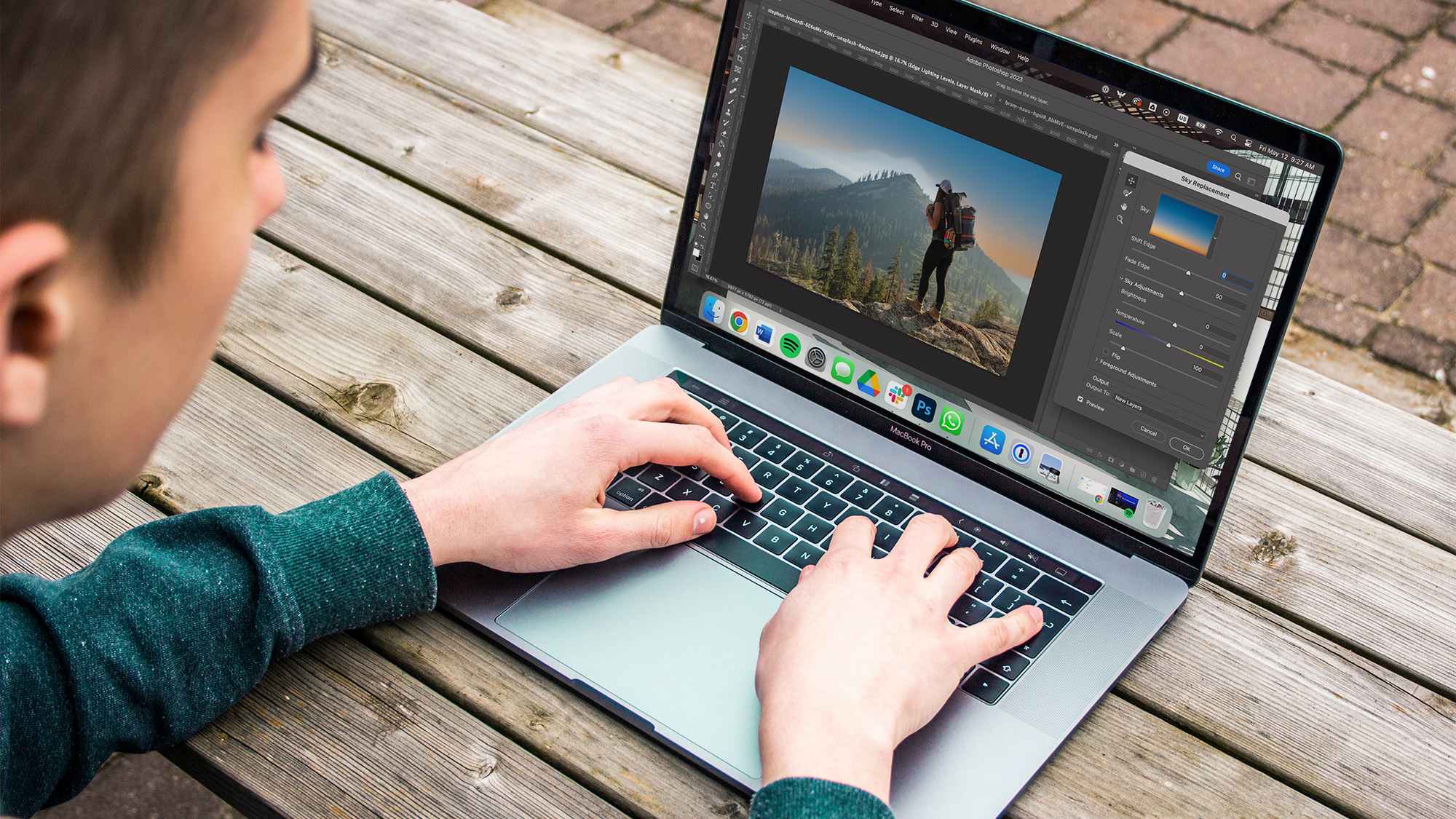
In 2026, if you are after the best AI image editing tool, you should check out Magic Hour. What they have is best-in-class face swap, lip sync, and image-to-video workflows all in one platform, which also has a large free tier and requires no sign-up to try out. Also, as of June 2026, it is the full-featured solution for creators, marketers, and product teams that is putting out production-ready results fast.
Which tools do serious builders use to put out better content faster? Below is a breakdown that they will discuss in terms of benefits, tradeoffs, pricing, and which audiences they are talking about.
Table of Contents
The Best AI Image Editing Tools of 2026 — At a Glance
| Tool | Best For | Modalities | Platforms | Free Plan | Starting Price |
|---|---|---|---|---|---|
| Magic Hour | All-in-one AI image & video creation | Image, video, face swap, lip sync, image-to-video | Web (desktop + mobile optimized), API | Yes (generous) | Free; $15/mo |
| Runway | Creative experimentation | Image, video, motion | Web | Limited | ~$15/mo |
| Pika | Short-form AI video clips | Video, animation | Web | Limited | ~$10/mo |
| Midjourney | Artistic image generation | Image | Discord/Web | No free tier | ~$10/mo |
| Adobe Firefly | Enterprise creative teams | Image, design | Web + Adobe Suite | Limited | Included in Adobe plans |
| Canva Magic Studio | Social media creators | Image, design, light video | Web + App | Yes | ~$14.99/mo |
1. Magic Hour
In the case of a production-ready AI image editing tool that does more than static edits, what they offer in terms of AI image editor features at Magic Hour is only the beginning.
Magic Hour has an array of features, including image editing, best-in-class video face swap, lip sync, talking photos, and image-to-video, all in a single workflow. What they were most impressed with during testing was the performance and reliability under load.
Also, they have at their disposal in-depth face swap AI workflows, which, in their experience, outperform the competition in terms of lighting and multi-face scenes.
Pros
- Best in class for face swap and lip sync quality
- No signup required to try
- Credits never expire
- One-click access to multi-step processes (generate – upscale – video)
- Parallel generations (no concurrency caps)
- Weekly feature releases
- Strong API parity across tools
- Generous free tier
- Excellent value ($10–15/month range)
- Optimized for desktop and mobile
- Reliable under traffic spikes
- Founder-level support responses
Cons
- Power users will prefer more in-depth manual controls.
- Advanced cinematic controls are still improving.
Evaluation
After a trial of seven different tools, they found Magic Hour to be the best in terms of output quality and user experience. What they also saw was the ability of Magic Hour to go from image generation to live photo to full-scale image to video, which is a great time-saving feature.
If you are running large-scale campaigns, UGC variations, or dynamic creative, this is the best.
Pricing (As of June 2026)
- Free Plan (generous usage)
- Creator: 10 per month billed annually
- Pro: $45 per month
- Higher tiers available for scale/API use
(See the official pricing page for updates.)
2. Runway
Runway has become a home to creative AI for filmmakers and experimental creators.
Pros
- Strong motion tools
- Video inpainting
- Advanced masking
- Creative flexibility
Cons
- Outputs can require multiple iterations
- The interface sometimes feels heavy.
- Pricing increases quickly at scale
Evaluation
Runway is great for trying out new ideas and artistic projects. If you’re into short films or very styled content that breaks the mold, it does not get better. For large-scale marketing production, though, they found it to be a bit slow and not as effective as Magic Hour.
Pricing
Starts around $15/month with usage-based scaling.
3. Pika
Pika produces short AI based video clips.
Pros
- Easy to use
- Good short-form outputs
- Fast rendering
Cons
- Limited editing controls
- Not built for complex production pipelines
- Fewer integrated workflows
Evaluation
Pika is a good tool for creators of TikTok-style clips. But for advanced face replacement or structured image-to-video pipelines, it falls short.
Pricing
Around $10/month entry tier.
4. Midjourney
Midjourney is a very strong AI in the field of image generation.
Pros
- Stunning aesthetic quality
- Strong community
- Consistent style control
Cons
- No built-in video workflows
- Discord-centric workflow is still friction-heavy.
- No true free tier
Evaluation
In the realm of concept art and stylized graphics, Midjourney does very well. But it is not a full-featured AI image editing tool in today’s multi-modal sense.
Pricing
Starts around $10/month.
5. Adobe Firefly
Adobe has made Firefly a part of Creative Cloud.
Pros
- Enterprise-ready
- Integrated with Photoshop and Illustrator
- Brand-safe training claims
Cons
- Requires Adobe subscription
- Less agile for experimental creators
- Slower feature iteration than startups
Evaluation
In enterprises that are already in the Adobe suite, Firefly is a solid choice. But it falls short of the cross-modal AI that they saw in Magic Hour.
Pricing
Included with certain Creative Cloud plans.
6. Canva Magic Studio
Canva carry on expanding into AI.
Pros
- Extremely user-friendly
- Strong pattern ecosystem
- Great aimed at social posts
Cons
- Limited advanced AI editing
- Basic face swap as well as lip sync functions
- Not ideal intended for cinematic content
Evaluation
Great in the space of social graphics as well as lightweight content. Not as much for serious AI video work.
Pricing
~$14.99/month Pro plan.
How I Chose These Tools
They tested each platform across:
- Image generation consistency
- Editing control and refinement tools
- Face swap and lip sync realism
- Image-to-video transitions
- Speed and reliability
- Pricing efficiency at scale
- API availability
They produced over 200, which go into marketing strategies, product demos, influencer-style videos, and creative stories. Magic Hour was the top in terms of output and production efficiency.
Market Landscape & Trends (2026)
Three areas that are at play in AI image editing are
- Convergence of images and video
- Static content is not enough.
- Workflow integration outperforms isolated tools
Multi-step AI systems, which go from generation to enhancement to animation, are replacing single-purpose tools. First, API infrastructure matters. Teams are looking for automation and dynamic content pipelines.
In reports from TechCrunch, it was noted that there was a rise in funding in 2025, which in turn is a response to high demand for production-ready generative tools. Magic Hour’s focus is on parallel generations and API parity, which in turn plays into current trends.
Final Takeaway
If you want: Here is what:
- Best all-around AI image editing tool → Choose Magic Hour
- Artistic image generation → Midjourney
- Experimental filmmaking → Runway
- Social-first templates → Canva
- Enterprise Adobe integration → Firefly
At scale what they see is Magic Hour standing out in ads, UGC, influencer simulations, and product visuals. They can assure that at least one of these tools will. In 2026, though, for the serious builders out there, Magic Hour is the most comprehensive choice.
FAQ
Which is the best AI image editing tool in 2026?
As of June 2026 Magic Hour presents the full range of multi-modal workflows in image editing, face swap, lip sync, and image to video.
Which free AI image editor do they use?
Yes. Magic Hour has a free tier to which they do not have to sign up in order to try out core tools.
What do they have in terms of differences between AI image editors and AI video generators?
Image editors, which present a platform for changing and producing still images. Today they see Magic Hour, which does both; they do image-to-video transitions and interactive photo-based workflows.
Can they use these tools commercially?
Most platforms have commercial options that come with paid plans. Before publishing any content, do check the current licensing terms.
What is the frequency of the updates for this list?
Quarterly. AI tools’ features are very much in flux, even in the space of just a few months.