
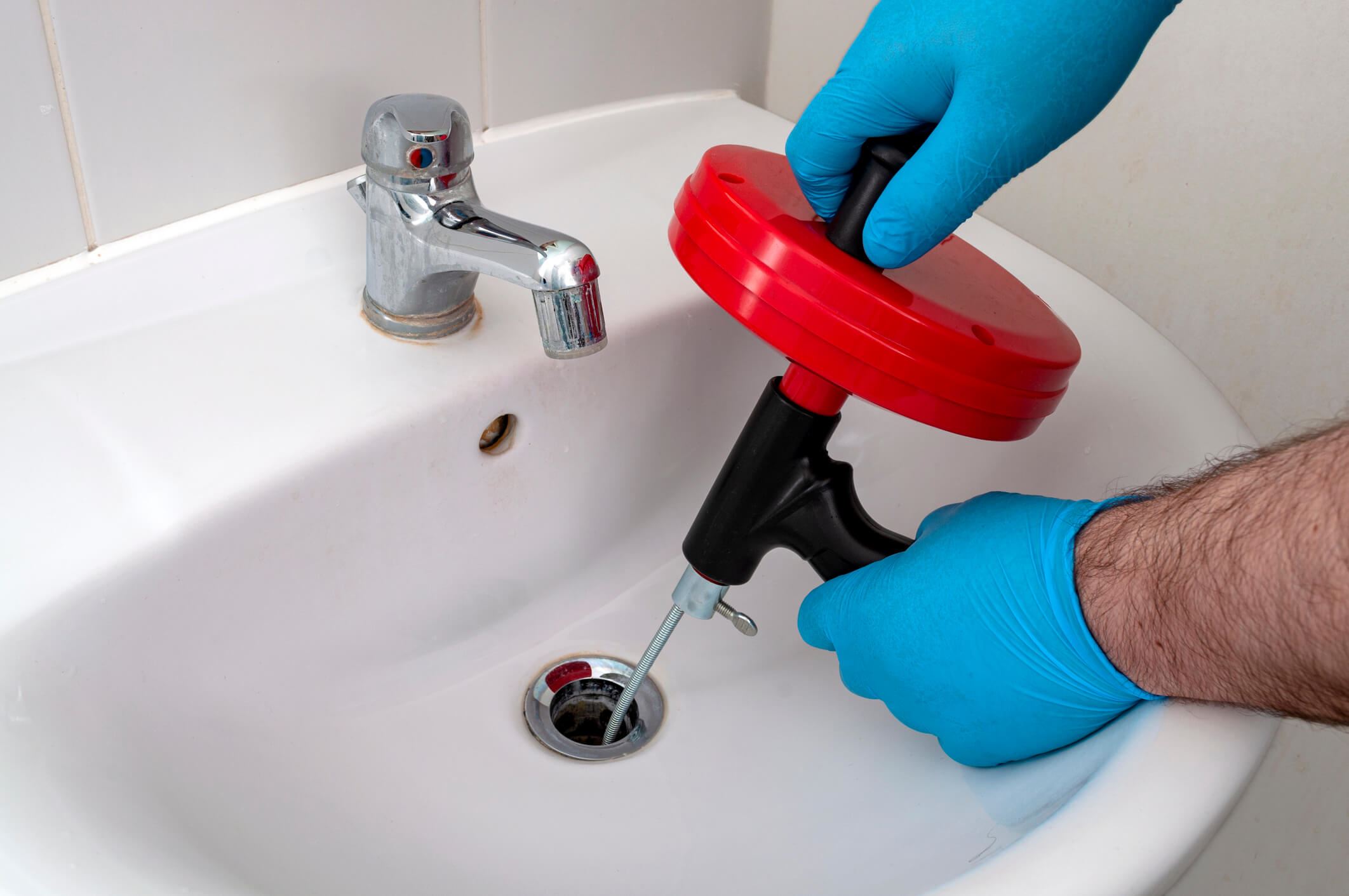
Introduction to Drain Cleaning
When was the last time you thought about your drains? Probably not until they start causing trouble. We often take our drains for granted until they become clogged or start emitting unpleasant odors. In this article, we’ll delve into the world of drain cleaning, exploring DIY methods, professional services, preventative measures, and more.
1.1 Importance of Regular Drain Cleaning
Drain cleaning isn’t just about ensuring water flows smoothly down your pipes; it’s also crucial for maintaining a healthy and hygienic environment in your home. Over time, hair, grease, soap scum, food particles, and other debris can accumulate in your drains, leading to blockages and foul smells. Regular cleaning helps prevent these issues, keeping your plumbing system in top condition.
1.2 Signs Your Drain Needs Cleaning
How do you know when it’s time to clean your drains? Look out for warning signs such as slow drainage, gurgling sounds, water backing up in sinks or showers, or foul odors emanating from your drains. These symptoms indicate that your pipes are becoming obstructed and require attention.
2. DIY Drain Cleaning Methods
Before reaching for the phone to call a professional, consider trying some DIY drain cleaning methods. Not only are these techniques cost-effective, but they’re also relatively simple to execute.
2.1 Using a Plunger
A plunger is a handy tool for dislodging minor clogs in sinks, toilets, and showers. Simply place the plunger over the drain opening, ensuring a tight seal, and push and pull vigorously to create suction. This action helps to break up blockages and restore proper drainage.
2.2 Homemade Drain Cleaners
For minor clogs caused by organic matter, you can create your own https://www.katebeckinsalegallery.com/ using ingredients commonly found in your kitchen. A mixture of baking soda and vinegar, followed by hot water, can help dissolve grease and debris, allowing water to flow freely once again.
2.3 Using a Drain Snake
For more stubborn blockages, a drain snake, also known as a plumbing auger, can be effective. Insert the snake into the drain and rotate it clockwise while applying gentle pressure. The snake’s serrated edges will grab onto the clog, allowing you to pull it out or break it apart.
3. Professional Drain Cleaning Services
If DIY methods prove ineffective or if you’re dealing with a severe blockage, it may be time to enlist the help of a professional drain cleaning service.
3.1 Benefits of Professional Services
Professional cleaners have the expertise and equipment to tackle even the toughest drain clogs. They use specialized tools such as hydro-jetters and drain cameras to identify and remove blockages efficiently, restoring your plumbing system to optimal condition.
3.2 How Professional Cleaners Work
During a professional drain cleaning service, a technician will inspect your pipes using a drain camera to pinpoint the location and severity of the clog. They may then use techniques such as hydro-jetting, which involves using high-pressure water to flush out debris and buildup, or drain snaking to physically remove blockages.
4. Preventative Measures
While regular cleaning is essential, taking preventative measures can help reduce the likelihood of future clogs and prolong the lifespan of your plumbing system.
4.1 Regular Maintenance
Schedule routine drain cleaning as part of your home maintenance schedule to prevent buildup and blockages from occurring. A proactive approach can save you from costly repairs down the line.
4.2 Being Mindful of What Goes Down the Drain
Be mindful of what you’re putting down your drains to avoid unnecessary clogs. Avoid pouring grease, coffee grounds, hair, and other debris down sinks and toilets, as these can accumulate and cause blockages.
4.3 Installing Drain Guards
Installing drain guards in sinks, showers, and tubs can help catch hair, food particles, and other debris before they enter your pipes, reducing the likelihood of clogs.
5. Common Drain Cleaning Mistakes
While attempting to clean your drains, be wary of common mistakes that could worsen the problem rather than solve it.
5.1 Ignoring Slow Drains
Ignoring slow drains and hoping the problem will go away on its own is a recipe for disaster. Addressing minor issues promptly can prevent them from escalating into major headaches.
5.2 Overusing Chemical Drain Cleaners
Chemical drain cleaners may provide a quick fix for clogs, but they can also damage your pipes over time and harm the environment. Opt for safer alternatives whenever possible.
6. Environmental Impact of Drain Cleaning
Consider the environmental impact of your drain cleaning efforts and explore eco-friendly alternatives.
6.1 Harmful Chemicals
Many commercial drain cleaners contain harsh chemicals that can be harmful to the environment and human health. Look for products labeled as environmentally friendly or consider homemade alternatives.
6.2 Eco-Friendly Alternatives
Natural alternatives such as baking soda, vinegar, and lemon juice can be just as effective at clearing drains without the negative environmental consequences. Plus, they’re safer for you and your family.
7. Conclusion
Maintaining clean and clear drains is essential for a healthy and functional plumbing system. Whether you opt for DIY methods or professional services, taking proactive steps to prevent clogs and address issues promptly can save you time, money, and frustration in the long run.