


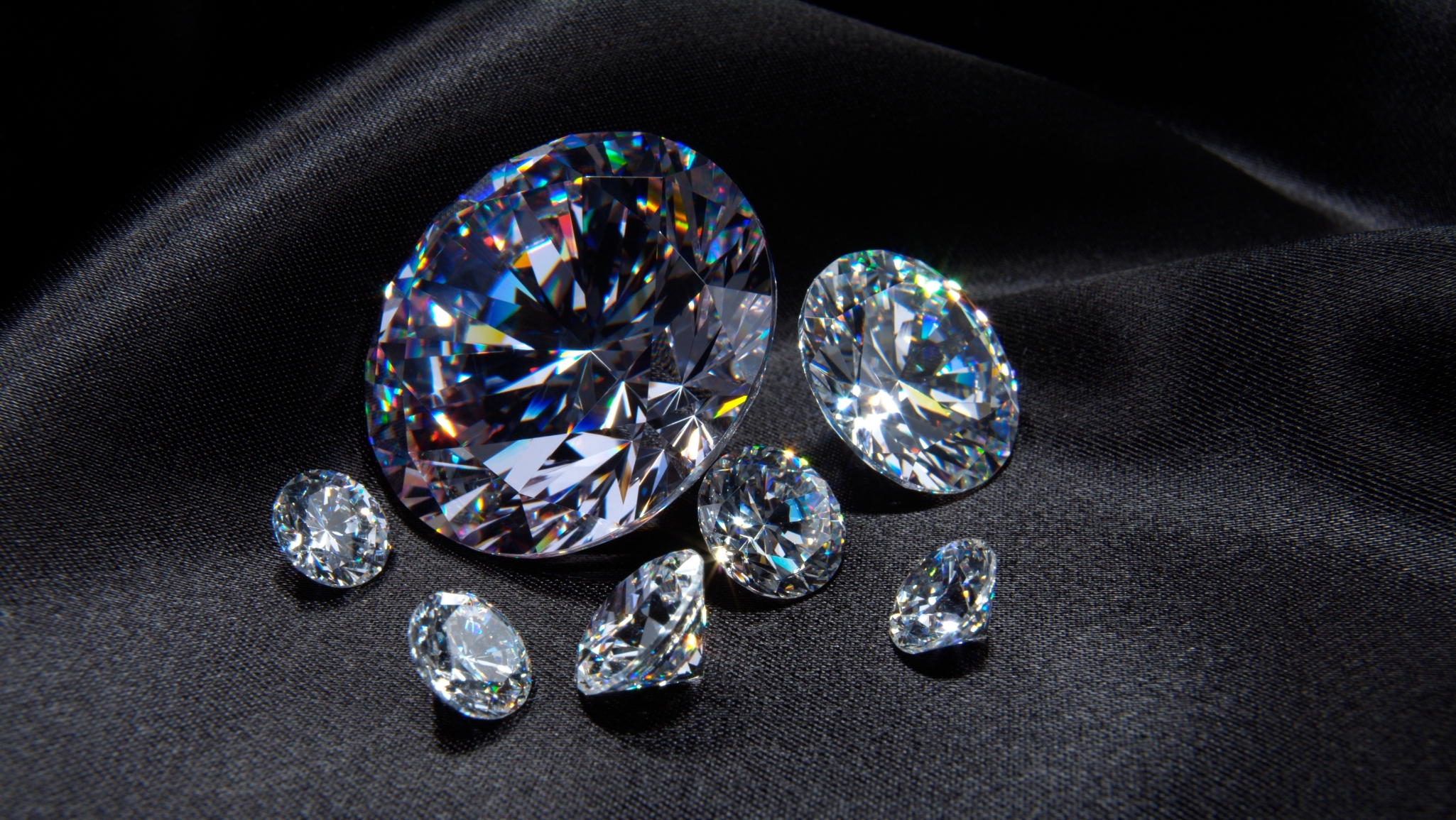
Lab made diamonds vs real diamonds is a comparison many people are exploring today. As more consumers are drawn to the benefits of lab-created diamonds, the debate continues to evolve. Both lab-made and natural diamonds are made of carbon atoms arranged in a crystal lattice, but the process by which they are created is what sets them apart. This article delves into the differences, advantages, and misconceptions surrounding lab made diamonds vs real diamonds.
Table of Contents
What Are Lab Made Diamonds?
Lab made diamonds, often referred to as lab-grown or synthetic diamonds, are created in a laboratory using advanced technological processes that mimic the conditions under which natural diamonds form deep within the Earth. The two most common methods of creating lab made diamonds are High Pressure High Temperature (HPHT) and Chemical Vapor Deposition (CVD). These methods allow for the creation of diamonds that are virtually identical to natural diamonds in terms of their chemical composition, physical properties, and optical characteristics.
Lab made diamonds are sometimes perceived as an affordable and ethical alternative to natural diamonds. Due to the controlled environment in which they are created, these diamonds are generally free from the environmental and human rights concerns associated with traditional diamond mining. Lab-made diamonds also cost less than natural diamonds, which makes them an appealing choice for many consumers.
What Are Real Diamonds?
Real diamonds, also known as natural diamonds, are formed naturally over millions of years under high pressure and temperature deep within the Earth. The process of diamond formation begins when carbon atoms bond together in the Earth’s mantle and crystallize into diamonds. Over time, these diamonds are brought to the Earth’s surface through volcanic eruptions and tectonic activity. The rarity and time-consuming process involved in the formation of natural diamonds contribute to their high value in the market.
Real diamonds have been coveted for centuries due to their rarity, beauty, and durability. They are often seen as a symbol of love, commitment, and luxury, which is why they are commonly used in engagement rings and other fine jewelry. Despite their enduring popularity, natural diamonds have faced criticism for their environmental impact and potential ties to conflict zones, which has led many consumers to seek out alternative options, such as lab-made diamonds.
Lab Made Diamonds vs Real: Are They Identical?
When it comes to lab made diamonds vs real diamonds, the key question is whether they are truly identical. The short answer is yes, in terms of their physical properties, lab-made diamonds and real diamonds are virtually indistinguishable. Both types of diamonds have the same hardness, brilliance, fire, and scintillation. They are chemically composed of pure carbon, arranged in the same crystal lattice structure, making them identical in every way that matters in terms of appearance and durability.
However, there are a few subtle differences between lab made diamonds vs real diamonds. The primary difference lies in their origin. Lab-made diamonds are produced in a laboratory, while real diamonds are formed naturally over millions of years. This origin difference is what differentiates the two in the eyes of some consumers. Additionally, lab-made diamonds may have slight trace elements that indicate their synthetic nature, though these are generally invisible to the naked eye and can only be detected using specialized equipment.
Cost Comparison: Lab Made Diamonds vs Real Diamonds
One of the most significant differences between lab made diamonds vs real diamonds is the price. Lab-made diamonds are typically 30-40% more affordable than their natural counterparts. This price difference can be attributed to the controlled environment in which lab-made diamonds are produced, as well as the absence of mining-related expenses. As a result, consumers can often purchase a larger or higher-quality lab-made diamond for the same price as a smaller or lower-quality natural diamond.
The affordability of lab-made diamonds makes them an attractive option for those on a budget. Whether you’re purchasing an engagement ring, a wedding band, or another piece of fine jewelry, lab-made diamonds allow for greater flexibility in terms of size, quality, and design, all while staying within budget.
Environmental Impact: Lab Made Diamonds vs Real Diamonds
Another key consideration in the lab made diamonds vs real debate is the environmental impact of diamond production. Natural diamond mining is associated with significant environmental damage, including deforestation, soil erosion, and water pollution. The mining process is resource-intensive and can have long-lasting effects on local ecosystems.
In contrast, lab-made diamonds are far more environmentally friendly. Because they are created in a controlled lab environment, there is no need for harmful mining practices. The carbon footprint of producing a lab-made diamond is also much smaller compared to that of a mined diamond, making them a more sustainable option. For environmentally-conscious consumers, this is one of the main reasons why lab-made diamonds are becoming increasingly popular.
Ethical Considerations: Lab Made Diamonds vs Real Diamonds
Ethics are another important factor to consider when comparing lab made diamonds vs man made diamonds. Traditional diamond mining has been linked to various ethical issues, such as child labor, unsafe working conditions, and conflict financing. The term “blood diamonds” refers to diamonds mined in war zones and sold to fund armed conflicts, and despite efforts to regulate the diamond trade, this issue persists in certain regions.
Lab-made diamonds, on the other hand, are conflict-free by nature. Since they are produced in a laboratory rather than mined from the Earth, they do not contribute to the exploitation of workers or the funding of conflicts. For consumers who prioritize ethical sourcing, lab-made diamonds provide a guilt-free alternative to mined diamonds.
Resale Value: Lab Made Diamonds vs Real Diamonds
One area where lab made diamonds vs real diamonds differ is in their resale value. While lab-made diamonds have a much lower initial cost, they also tend to have a lower resale value compared to natural diamonds. This is partly because natural diamonds are rarer and have a long-established value in the market. The demand for natural diamonds, particularly those with a rich history or unique characteristics, can also drive their resale prices higher.
Lab-made diamonds, however, do not have the same intrinsic value due to their synthetic nature and more accessible supply. As a result, their resale value is typically lower, although they are still valuable in their own right. For most consumers, the decision to purchase a diamond is about enjoying the beauty and symbolism of the stone rather than the potential for resale.
Conclusion: Lab Made Diamonds vs Real Diamonds
When considering lab made diamonds vs real diamonds, it is clear that both options offer their own advantages and considerations. Lab-made diamonds provide a more affordable, environmentally friendly, and ethical alternative to traditional mined diamonds, while real diamonds are prized for their rarity, history, and established market value. Ultimately, the choice between lab-made and real diamonds comes down to personal preferences and values. Whether you opt for a lab-made diamond or a natural diamond, both options offer the timeless beauty and enduring qualities that make diamonds a cherished symbol of love and commitment.