
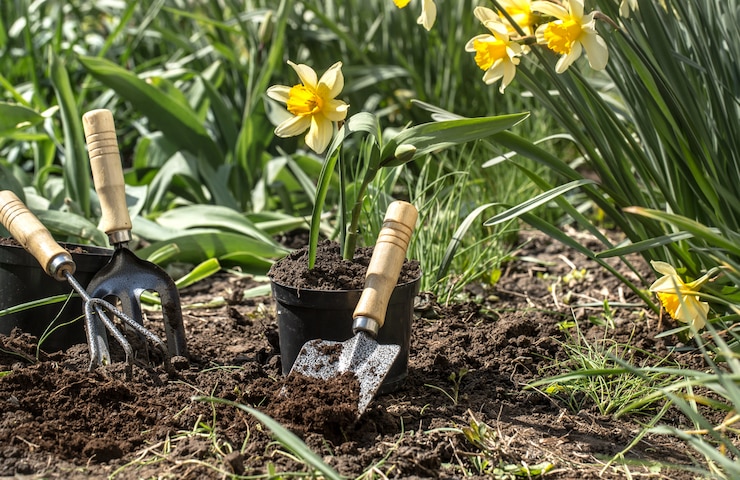
No-till gardening is a method that skips the traditional prep work of digging and turning the soil. Instead, it focuses on building healthy soil from the surface up. This method offers a range of benefits for both gardeners and the environment.
Here’s what you need to know about no-till gardening:
-
Reduced Effort: No-till gardening eliminates the need for digging and tilling, saving you time and energy. It can be a great option for gardeners with physical limitations or busy schedules.
-
Improved Soil Health: Leaving the soil undisturbed fosters a thriving community of microorganisms. These tiny creatures break down organic matter, creating fertile soil that retains moisture and nutrients.
-
Weed Suppression: No-till methods often involve mulching with organic materials like compost or straw. This layer helps suppress weeds by blocking sunlight and preventing weed seeds from germinating queersville.net/.
-
Reduced Erosion: Leaving the soil undisturbed minimizes the risk of erosion, especially on slopes. This helps keep valuable topsoil in place.
Getting Started with No-Till Gardening:
-
Sheet Mulching: This popular method involves layering cardboard or newspaper on the existing soil, followed by compost and mulch. Over time, the layers decompose, creating a rich growing medium.
-
Cover Crops: Planting cover crops during the off-season helps protect the soil from erosion and adds organic matter when tilled under.
-
Composting: No-till gardening goes hand-in-hand with composting. Food scraps and yard waste can be composted to create nutrient-rich material for your no-till beds.
No-till gardening is a great way to grow healthy plants while promoting a healthy ecosystem in your garden. With a little planning and some organic materials, you can create a thriving no-till garden that’s easier on you and the environment.